
Naike Group Material Traceability: Carton Guide
Build a reviewable chain from approved material and incoming lot through production, inspection, packing, shipment, and retained evidence.
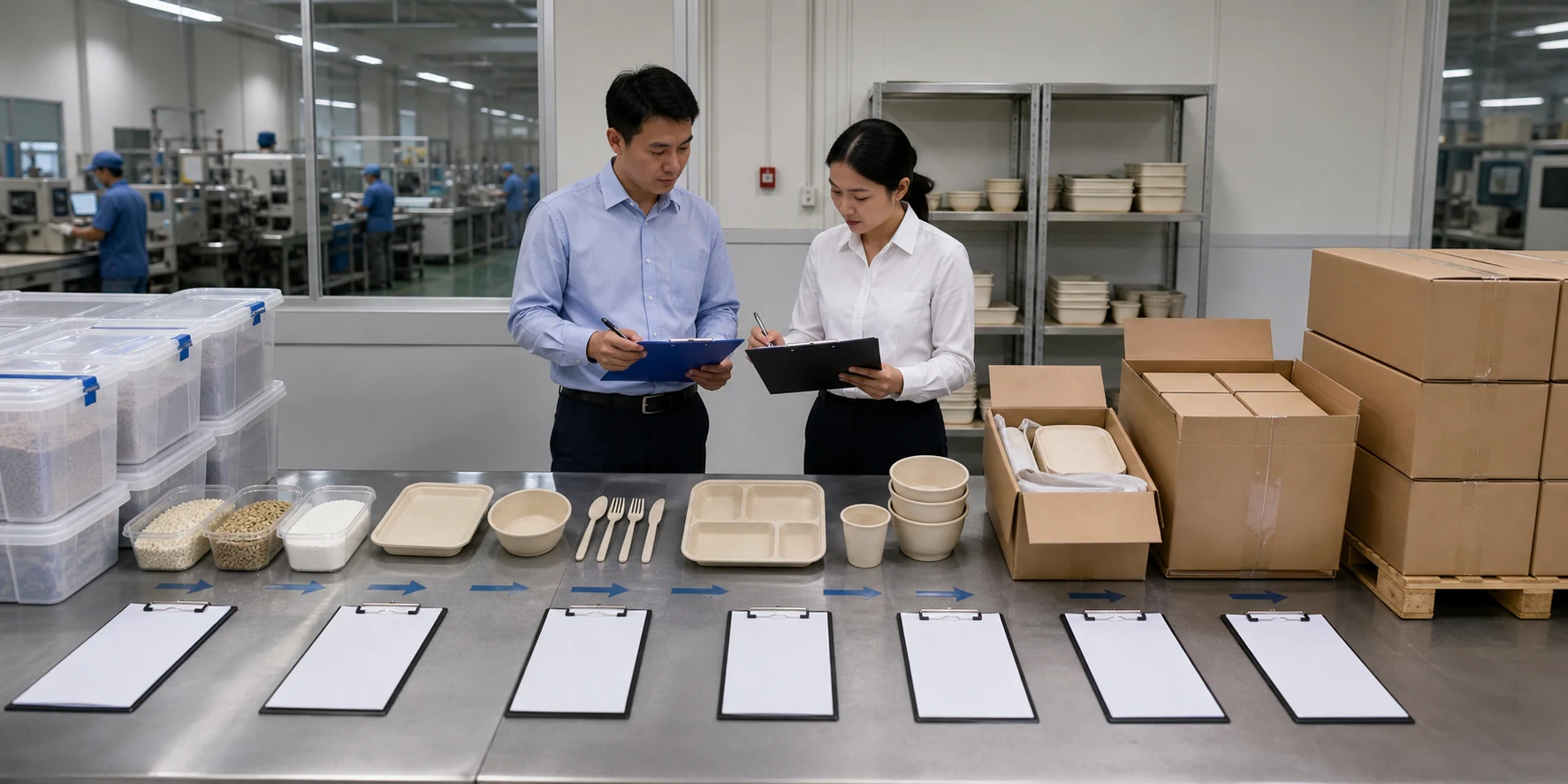
Naike Group material traceability should let a buyer move backward from an export carton to the packed item, finished lot, production record, and approved input, then move forward from a material lot to every affected batch and carton. The chain depends on controlled identifiers, status records, quantity reconciliation, change control, retained evidence, and clear hold or release authority.
Traceability does not prove that a product is compliant, defect-free, or made from a claimed material percentage. It proves identity and movement only within the recorded scope, while specifications, declarations, tests, inspections, and process controls answer separate questions.
For an order-specific review, buyers can share the product, material, market, packaging, carton-mark, and customer-code requirements with our manufacturing team. The practical output should define which identifiers appear in records, on packs, and on cartons, plus how exceptions are contained.
Buyer Answer: Require One Connected Identity Chain
Approve the product revision, material identity, supplier or batch reference, incoming receipt, production batch, tool or line where relevant, inspection record, packing list, carton range, and shipment record before production. Each handoff should preserve status and quantity, while rework, mixed lots, relabeling, and substitutions receive explicit records.
Test the chain in both directions before shipment. Select a carton and trace backward to inputs and approvals, then select an input lot and trace forward to every batch and carton that used it.
Approve the Traceability Boundary Before Material Receipt
Start with the buyer-approved product, material, color, component, artwork, packaging, and market revision. The Naike Group manufacturing team connects this checkpoint to the controlled specification and approved sample file, so a buyer can follow the product identity without relying on memory or an isolated photograph. A product name alone can hide formulation, color, tool, component, or label differences. When information conflicts or disappears, the affected material, work in process, finished goods, or cartons should be held while quality and commercial owners reconcile the approved baseline.
Define the unit that will receive a traceability identity. The Naike Group manufacturing team connects this checkpoint to the intended material lot, production batch, packing run, and carton range, so a buyer can follow the product identity without relying on memory or an isolated photograph. A unit that is too broad hides affected goods, while one that is too narrow becomes impractical. When information conflicts or disappears, the affected material, work in process, finished goods, or cartons should be held while the risk, process, and buyer need are balanced.
Name every code required by the buyer, factory, supplier, marketplace, or logistics provider. The Naike Group manufacturing team connects this checkpoint to a controlled code map showing meaning, format, location, and owner, so a buyer can follow the product identity without relying on memory or an isolated photograph. Similar codes can be confused when labels and systems use different names. When information conflicts or disappears, the affected material, work in process, finished goods, or cartons should be held while the code map is corrected and reapproved.
Separate traceability identifiers from regulatory or certification claims. The Naike Group manufacturing team connects this checkpoint to the evidence index for declarations, tests, and approvals, so a buyer can follow the product identity without relying on memory or an isolated photograph. A lot code cannot prove composition, compliance, or test coverage by itself. When information conflicts or disappears, the affected material, work in process, finished goods, or cartons should be held while the correct evidence owner confirms the separate claim.
Set retention periods and access responsibility. The Naike Group manufacturing team connects this checkpoint to the order file, retained samples, digital records, and physical labels, so a buyer can follow the product identity without relying on memory or an isolated photograph. Evidence that expires before the commercial risk ends cannot support complaints or repeat orders. When information conflicts or disappears, the affected material, work in process, finished goods, or cartons should be held while retention and retrieval requirements are assigned.
Define hold, release, deviation, and substitution authority. The Naike Group manufacturing team connects this checkpoint to the status-control procedure and written buyer approvals, so a buyer can follow the product identity without relying on memory or an isolated photograph. Uncontrolled substitutions can break both identity and evidence relevance. When information conflicts or disappears, the affected material, work in process, finished goods, or cartons should be held while authorized owners investigate and document disposition.
Make Naike Group material traceability testable from day one
The traceability plan should include a practical challenge before mass packing begins. A reviewer selects one identity at random, reconstructs the chain, reconciles quantities, and confirms that every supporting record refers to the same controlled revision.
This challenge exposes missing handoffs while correction is still economical. It also gives buyers a concrete acceptance question instead of a vague request for traceability.
Control Incoming Material Identity and Release Status
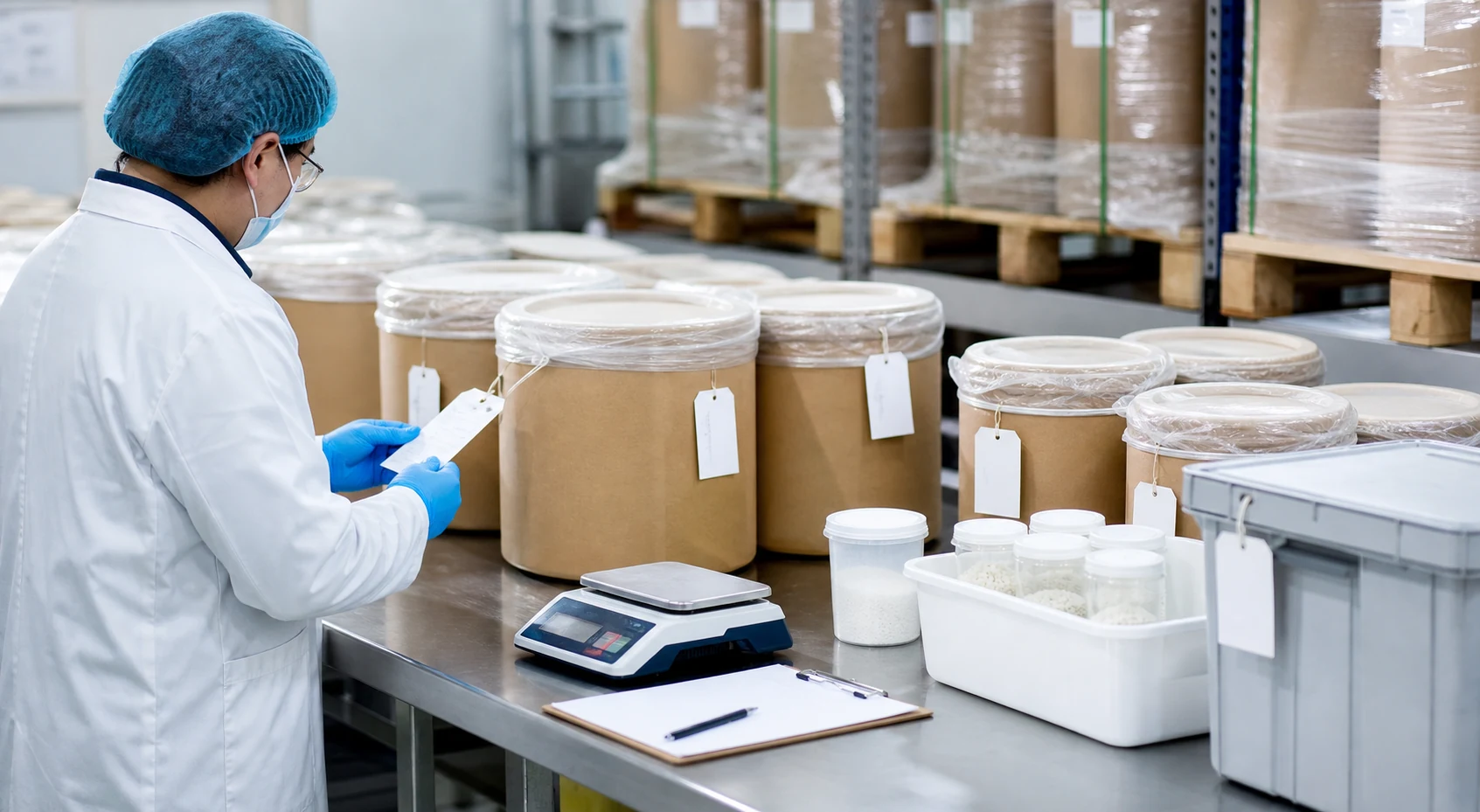
Receive materials against the approved purchase and supplier information. The Naike Group manufacturing team connects this checkpoint to receipt date, supplier identity, material designation, supplier lot, quantity, and condition record, so a buyer can follow the product identity without relying on memory or an isolated photograph. Unidentified or mismatched inputs can enter production before documents are reviewed. When information conflicts or disappears, the affected material, work in process, finished goods, or cartons should be held while the lot is segregated and procurement resolves the discrepancy.
Verify documents against the exact delivered identity. The Naike Group manufacturing team connects this checkpoint to the declaration, specification, test reference, and shipment documents applicable to that lot or material, so a buyer can follow the product identity without relying on memory or an isolated photograph. A valid-looking document may cover another grade, color, supplier, site, or condition. When information conflicts or disappears, the affected material, work in process, finished goods, or cartons should be held while quality confirms scope rather than title alone.
Apply a factory receipt or internal lot reference where needed. The Naike Group manufacturing team connects this checkpoint to the supplier lot and warehouse location, so a buyer can follow the product identity without relying on memory or an isolated photograph. Relabeling without a cross-reference destroys the backward chain. When information conflicts or disappears, the affected material, work in process, finished goods, or cartons should be held while both original and internal identities remain linked.
Record sampling, inspection, or testing disposition. The Naike Group manufacturing team connects this checkpoint to the incoming quality result and release status, so a buyer can follow the product identity without relying on memory or an isolated photograph. A received lot is not necessarily an approved lot. When information conflicts or disappears, the affected material, work in process, finished goods, or cartons should be held while authorized quality staff release, reject, or conditionally hold it.
Control partial use and returned quantities. The Naike Group manufacturing team connects this checkpoint to issue records, remaining inventory, and closed-lot reconciliation, so a buyer can follow the product identity without relying on memory or an isolated photograph. Unrecorded splits can mix material histories across batches. When information conflicts or disappears, the affected material, work in process, finished goods, or cartons should be held while warehouse and production reconcile every movement.
Protect status during storage and handling. The Naike Group manufacturing team connects this checkpoint to physical segregation, digital status, and location records, so a buyer can follow the product identity without relying on memory or an isolated photograph. Released, held, rejected, and returned lots can be confused when labels move or containers change. When information conflicts or disappears, the affected material, work in process, finished goods, or cartons should be held while identity and status are reverified before issue.
Link supplier evidence without overstating its meaning
Supplier records support material identity and declared scope, while independent or regulatory evidence may answer other questions. Naike Group should preserve the document version and relationship to the delivered lot without converting a supplier statement into a broader guarantee.
Buyers can review the food-contact conditions framework when defining which material evidence belongs to the intended market and use. The traceability chain then points to that evidence rather than replacing it.
Connect Material Lots to Production and Quality Records
Issue only released material to the named production order. The Naike Group manufacturing team connects this checkpoint to material issue quantity, batch identity, line, date, and operator record, so a buyer can follow the product identity without relying on memory or an isolated photograph. Production can consume the right material under the wrong order or revision if identity is weak. When information conflicts or disappears, the affected material, work in process, finished goods, or cartons should be held while the issue is stopped and the order baseline is verified.
Record tool, cavity, equipment, and process context where it affects the product. The Naike Group manufacturing team connects this checkpoint to the controlled manufacturing and maintenance records, so a buyer can follow the product identity without relying on memory or an isolated photograph. Traceability without process context may not isolate a cavity or setup-related problem. When information conflicts or disappears, the affected material, work in process, finished goods, or cartons should be held while quality defines the relevant production identifiers.
Capture start, stop, changeover, and interruption boundaries. The Naike Group manufacturing team connects this checkpoint to the batch timeline and work-in-process status, so a buyer can follow the product identity without relying on memory or an isolated photograph. Mixed periods can blur which units share the same exposure. When information conflicts or disappears, the affected material, work in process, finished goods, or cartons should be held while batch boundaries are reviewed before release.
Reconcile input, output, scrap, rework, and remaining quantities. The Naike Group manufacturing team connects this checkpoint to the production yield and material balance, so a buyer can follow the product identity without relying on memory or an isolated photograph. Unexplained quantities suggest missing records, mixing, or uncontained goods. When information conflicts or disappears, the affected material, work in process, finished goods, or cartons should be held while production and warehouse owners close the variance.
Link in-process and final checks to the production identity. The Naike Group manufacturing team connects this checkpoint to measurements, visual results, functional checks, sample codes, and dispositions, so a buyer can follow the product identity without relying on memory or an isolated photograph. A quality report with no batch connection cannot support targeted release or investigation. When information conflicts or disappears, the affected material, work in process, finished goods, or cartons should be held while the evidence is reassigned or the affected goods are rechecked.
Record rework as a controlled route rather than erasing the original status. The Naike Group manufacturing team connects this checkpoint to the defect, affected quantity, correction, verification, and final disposition, so a buyer can follow the product identity without relying on memory or an isolated photograph. Reworked goods can silently reenter a lot and hide the original failure. When information conflicts or disappears, the affected material, work in process, finished goods, or cartons should be held while quality approves identity, quantity, and evidence continuity.
Preserve the approved sample and change history
The production identity should point to the approved drawing, sample, color, function, decoration, and packaging revision. The controlled sample approval guide explains why a golden sample needs supporting records rather than an informal physical reference.
Changes to material, supplier, pigment, tooling, process, component, artwork, or packaging should receive a documented assessment. Traceability must show which lots precede and follow the change boundary.

Carry Finished-Lot Identity Through Packing
Release finished goods against the correct production and inspection record. The Naike Group manufacturing team connects this checkpoint to the finished-lot status and authorized release, so a buyer can follow the product identity without relying on memory or an isolated photograph. Packing before release can embed suspect goods in saleable cartons. When information conflicts or disappears, the affected material, work in process, finished goods, or cartons should be held while the affected units and packing area are held.
Define how inner packs, retail packs, assortments, and master cartons inherit identity. The Naike Group manufacturing team connects this checkpoint to the packing instruction and code relationship, so a buyer can follow the product identity without relying on memory or an isolated photograph. Nested packaging can conceal mixed products, colors, components, or lots. When information conflicts or disappears, the affected material, work in process, finished goods, or cartons should be held while packing staff verify every level at setup and changeover.
Control line clearance before a new product, code, artwork, or lot begins. The Naike Group manufacturing team connects this checkpoint to the clearance checklist and removed-material record, so a buyer can follow the product identity without relying on memory or an isolated photograph. Leftover labels, inserts, products, or cartons can contaminate the next run. When information conflicts or disappears, the affected material, work in process, finished goods, or cartons should be held while the area is cleared and independently verified.
Record carton start and end ranges or equivalent shipment groupings. The Naike Group manufacturing team connects this checkpoint to the packing date, line, lot, quantity, and pallet record, so a buyer can follow the product identity without relying on memory or an isolated photograph. A shipment-level count alone cannot locate affected cartons. When information conflicts or disappears, the affected material, work in process, finished goods, or cartons should be held while the range and quantity are reconstructed before release.
Reconcile packed units, loose balance, rejects, samples, and rework. The Naike Group manufacturing team connects this checkpoint to the finished-goods quantity ledger, so a buyer can follow the product identity without relying on memory or an isolated photograph. Missing or excess units weaken forward and backward tracing. When information conflicts or disappears, the affected material, work in process, finished goods, or cartons should be held while packing and quality resolve the variance.
Verify customer and regulatory markings against approved artwork. The Naike Group manufacturing team connects this checkpoint to the final label and carton approval record, so a buyer can follow the product identity without relying on memory or an isolated photograph. Correct product in incorrect market labeling can still create commercial or compliance failure. When information conflicts or disappears, the affected material, work in process, finished goods, or cartons should be held while incorrect packs are segregated and controlled relabeling is approved.
Use carton identity as a retrieval key, not decoration
A useful carton code retrieves the connected order, product, finished lot, packing run, quantity, and shipment status. It should be legible, durable for the distribution route, and positioned according to the approved packing file.
Buyers may request a carton-code and record-map review before artwork approval. This helps ensure that customer-facing codes and factory records can be reconciled without exposing unnecessary internal information.
Verify Shipment Reconciliation and Retrieval
Compare the commercial packing list with actual cartons, pallets, and released quantities. The Naike Group manufacturing team connects this checkpoint to the shipment booking and warehouse release, so a buyer can follow the product identity without relying on memory or an isolated photograph. A complete production record does not prevent a shipment-count or assortment error. When information conflicts or disappears, the affected material, work in process, finished goods, or cartons should be held while warehouse and quality reconcile physical and documentary totals.
Preserve pallet or container relationships where the buyer requires them. The Naike Group manufacturing team connects this checkpoint to loading records, seal information, carton ranges, and photographs, so a buyer can follow the product identity without relying on memory or an isolated photograph. Traceability can stop at the warehouse door if loading identity is not captured. When information conflicts or disappears, the affected material, work in process, finished goods, or cartons should be held while logistics records the final movement.
Test backward tracing from randomly selected export cartons. The Naike Group manufacturing team connects this checkpoint to the packed product, lot, production, incoming material, and approval chain, so a buyer can follow the product identity without relying on memory or an isolated photograph. A prepared example may hide gaps elsewhere in the shipment. When information conflicts or disappears, the affected material, work in process, finished goods, or cartons should be held while quality selects unannounced samples from different ranges.
Test forward tracing from one incoming lot. The Naike Group manufacturing team connects this checkpoint to every production batch, finished lot, carton range, hold, sample, and shipment using it, so a buyer can follow the product identity without relying on memory or an isolated photograph. Backward tracing alone cannot define recall or containment scope. When information conflicts or disappears, the affected material, work in process, finished goods, or cartons should be held while all affected outputs are reconciled.
Measure retrieval time and unresolved exceptions. The Naike Group manufacturing team connects this checkpoint to the traceability challenge report and corrective-action record, so a buyer can follow the product identity without relying on memory or an isolated photograph. A theoretically complete chain may be unusable during a time-sensitive complaint. When information conflicts or disappears, the affected material, work in process, finished goods, or cartons should be held while owners correct slow or missing handoffs.
Retain the final evidence package under one order identity. The Naike Group manufacturing team connects this checkpoint to the approvals, receipts, production, quality, packing, shipment, and deviation records, so a buyer can follow the product identity without relying on memory or an isolated photograph. Scattered files make later review dependent on individual memory. When information conflicts or disappears, the affected material, work in process, finished goods, or cartons should be held while a document owner confirms completeness and retention.
Make traceability useful after the shipment leaves
Complaint, return, and market feedback records should capture product and code photographs, purchase channel, use information, symptom, quantity, and timing. The factory can compare those details with retained records and samples without assuming that identity alone proves cause.
A good retrieval package supports targeted investigation and containment. It also helps repeat-order teams confirm whether the next order matches the previous approved boundary.
Audit Exceptions, Changes, and Recall Readiness
Review material, supplier, tool, line, artwork, packaging, warehouse, and system changes. The Naike Group manufacturing team connects this checkpoint to the change-control decision and effective lot boundary, so a buyer can follow the product identity without relying on memory or an isolated photograph. Traceability rules can become obsolete when the process changes. When information conflicts or disappears, the affected material, work in process, finished goods, or cartons should be held while quality revalidates codes, records, and challenge tests.
Investigate duplicate, missing, unreadable, or contradictory identifiers. The Naike Group manufacturing team connects this checkpoint to the nonconformance and affected-quantity record, so a buyer can follow the product identity without relying on memory or an isolated photograph. Code errors can misdirect containment even when product quality is acceptable. When information conflicts or disappears, the affected material, work in process, finished goods, or cartons should be held while the affected population is held and reconstructed.
Control manual records and later data entry. The Naike Group manufacturing team connects this checkpoint to original signatures, timestamps, corrections, and system transfer evidence, so a buyer can follow the product identity without relying on memory or an isolated photograph. Delayed transcription can introduce errors or erase chronology. When information conflicts or disappears, the affected material, work in process, finished goods, or cartons should be held while records remain attributable and corrections preserve history.
Exercise mock retrieval without waiting for a complaint. The Naike Group manufacturing team connects this checkpoint to the timed backward and forward trace report, so a buyer can follow the product identity without relying on memory or an isolated photograph. Untested procedures often fail at handoffs between teams. When information conflicts or disappears, the affected material, work in process, finished goods, or cartons should be held while owners correct gaps and repeat the challenge.
Define buyer notification and decision authority for significant traceability failures. The Naike Group manufacturing team connects this checkpoint to the contract, escalation matrix, and deviation approval, so a buyer can follow the product identity without relying on memory or an isolated photograph. A traceability gap can affect shipment release even when sampled products appear acceptable. When information conflicts or disappears, the affected material, work in process, finished goods, or cartons should be held while the buyer receives evidence and controls disposition.
Use trends to strengthen future orders. The Naike Group manufacturing team connects this checkpoint to recurring code, reconciliation, retrieval, and handoff findings, so a buyer can follow the product identity without relying on memory or an isolated photograph. Repeated minor gaps can signal a systemic weakness. When information conflicts or disappears, the affected material, work in process, finished goods, or cartons should be held while management assigns preventive action and verifies effectiveness.
Keep the brand claim inside verified evidence
Naike Group should describe the traceability process by the records and checkpoints it can demonstrate for the actual project. Unsupported claims of perfect, universal, or fully automated traceability should be avoided when the order uses different materials, suppliers, pack formats, or buyer systems.
The commercial promise is a controlled, reviewable chain with transparent limits and escalation. Buyers still need to approve the traceability depth appropriate to their product, market, and risk.

Traceability Evidence Layers Compared
Each layer answers a different identity question and should connect to the next. No single label or report creates the complete chain.
| Layer | Primary identity | Evidence | Main failure risk |
|---|---|---|---|
| Approved baseline | Product and revision | Drawing, sample, material, artwork | Wrong specification used |
| Incoming material | Supplier and receipt lot | Receipt, documents, release | Unapproved input issued |
| Production | Batch, line, tool, time | Issue, process, yield, quality | Material-to-output link lost |
| Finished goods | Released lot | Final inspection and status | Unreleased goods packed |
| Packing | Pack run and carton range | Line clearance, counts, labels | Mixing or mislabeling |
| Shipment | Pallet, container, booking | Packing list, loading, seal | Warehouse-to-shipment gap |
| Post-market | Returned item and complaint | Code image, retain, investigation | Cause or scope misassigned |
B2B Buyer Traceability Checklist
Use these eight checks before approving production and carton artwork. Assign an owner to every unresolved item.
| Check | Question | Why It Matters |
|---|---|---|
| Boundary | Which materials, batches, packs, and shipment units require identity? | Scope controls the chain. |
| Code map | What does each code mean, where does it appear, and who owns it? | Prevents conflicting identities. |
| Approval | Which revision and evidence apply to the product and material? | Stops wrong-baseline production. |
| Status | How are released, held, rejected, and reworked goods separated? | Prevents unauthorized use. |
| Reconciliation | Can input, output, scrap, rework, and packed quantity balance? | Exposes missing goods or records. |
| Cartons | Can every carton range connect to finished and production lots? | Supports targeted retrieval. |
| Challenge | Can the team trace backward and forward within the required time? | Proves practical retrieval. |
| Change | Which changes require a new boundary or revalidation? | Keeps the system current. |
Official Sources and Traceability Boundaries
Official sources help define regulated traceability contexts, but buyers must confirm applicability to their exact product and market. Commercial tableware traceability should not be represented as a regulated food traceability program unless the law actually applies.
The European Commission food-contact materials overview explains the EU framework for materials intended to contact food. Use it to identify applicable material obligations; it does not prescribe a universal export-carton traceability format.
The U.S. FDA Food Traceability Final Rule page describes additional records for certain foods on the Food Traceability List. Finished reusable tableware is not food, so buyers should not cite this rule as proof of tableware compliance; its lot and event concepts may only inform voluntary record design.
The European Commission food-contact-materials legislation page identifies compliance documentation and traceability within the EU food-contact framework. Buyers must confirm which measures apply to the actual material and article rather than treating a carton code as compliance evidence.
Practical disclaimer: this guide describes a B2B manufacturing record framework, not legal advice, certification, recall approval, or a claim that one system applies to every market. Confirm applicable laws, customer codes, retention, privacy, labeling, and data-sharing requirements with qualified professionals.
Recommended Buyer Review Sequence
Approve the traceability boundary and code map before material receipt, then challenge the chain at incoming release, first production, first packing, and pre-shipment stages. Preserve failures and corrections rather than replacing them with a clean final summary.
Require backward and forward retrieval with quantity reconciliation. Use results to decide shipment release, corrective action, and the surveillance level for repeat orders.
Keep compliance, quality, and identity claims separate but connected through the evidence index. This makes the record useful without overstating what traceability proves.
Naike Group Traceability FAQ
Does a carton lot code prove material composition?
No. It links the carton to records within the controlled system. Composition needs applicable specifications, supplier evidence, tests, or other qualified proof.
Can different material lots be packed in one shipment?
They can only be managed when the buyer-approved plan permits it and every affected production lot and carton range remains identifiable. High-risk projects may prohibit mixing.
How should reworked goods be traced?
Preserve the original identity, defect, rework scope, correction, verification, quantity, and final disposition. Do not erase the initial failure.
What should buyers test before shipment?
Select cartons for backward tracing and an incoming lot for forward tracing, then reconcile quantities, status, and evidence within an agreed retrieval time. Record every unresolved break as a pre-shipment action.
When must the traceability plan change?
Review after material, supplier, tool, process, artwork, packaging, location, system, customer-code, or market changes and after significant traceability failures. Revalidate both identifiers and retrieval records before the next release.
Naike Group Material Traceability: Keep the Chain Reviewable
A useful traceability chain connects the approved baseline, incoming material, production, quality, finished goods, packing, cartons, and shipment without gaps or unsupported claims. It also preserves holds, rework, deviations, changes, and quantity reconciliation.
Naike Group material traceability is most credible when a buyer can challenge it in both directions and receive the records behind each handoff. The chain narrows investigation and containment, while separate compliance and quality evidence answers what identity alone cannot prove.
Approve the depth before production, test it before shipment, and keep the final evidence package under one order identity. That creates a practical foundation for complaints, repeat orders, and controlled change review.
Request a Material Traceability Review
Share the product, material, supplier, market, customer codes, packing structure, and retrieval requirements. Our factory team can help map the checkpoints and records that should be settled before production.
Request a Custom Quote
Share your product, quantity, target market and customization needs. Our factory team will reply with the next practical step.
Continue Your Sourcing Research
The six newest factory-side articles are updated automatically by publication date.

Wheat Straw vs Bagasse Tableware: Buyer Comparison
A B2B decision guide comparing reusable wheat-straw polypropylene composite tableware with molded bagasse fiber formats across use, evidence, operations and end of life.

Can Wheat Straw Tableware Be Recycled? Buyer Q&A
A practical buyer answer on whether reusable wheat-straw composite tableware can enter PP recycling streams, which evidence matters, and how to qualify market claims.

Global SKU vs Regional SKU: Tableware Decision Guide
A buyer decision framework for choosing one global tableware SKU or controlled regional variants across compliance, packaging, logistics, inventory and change control.

Australia Food Packaging Evidence: Buyer Guide
A practical evidence guide for Australian food-packaging buyers covering intended use, migration risk, supplier assurance, testing, hygiene, release and change control.

EU PPWR Tableware Packaging vs Conventional Packs
A buyer comparison of PPWR-ready and conventional tableware packaging across product protection, material choices, empty space, evidence, labeling and release timing.

Prop 65 Tableware Requirements: Buyer Q&A
A practical buyer Q&A for defining California Proposition 65 exposure scenarios, evidence, warning decisions, supplier records and release controls for tableware.