

B2B SOURCING KNOWLEDGE
Tableware Sourcing Blog for B2B Buyers
Our tableware sourcing blog provides practical guides for importers, distributors, retailers and private-label brands sourcing wheat straw tableware, PP lunchware and silicone products.
BUYER-FOCUSED CONTENT
Make Better Tableware Sourcing Decisions
Our tableware sourcing blog explains the decisions behind material selection, OEM/ODM development, custom molds, packaging, quality control and market preparation.
Each article is designed to help purchasing, product, packaging and quality teams prepare a clearer RFQ and evaluate supplier responses against the same requirements.
Featured Tableware Buying Guides

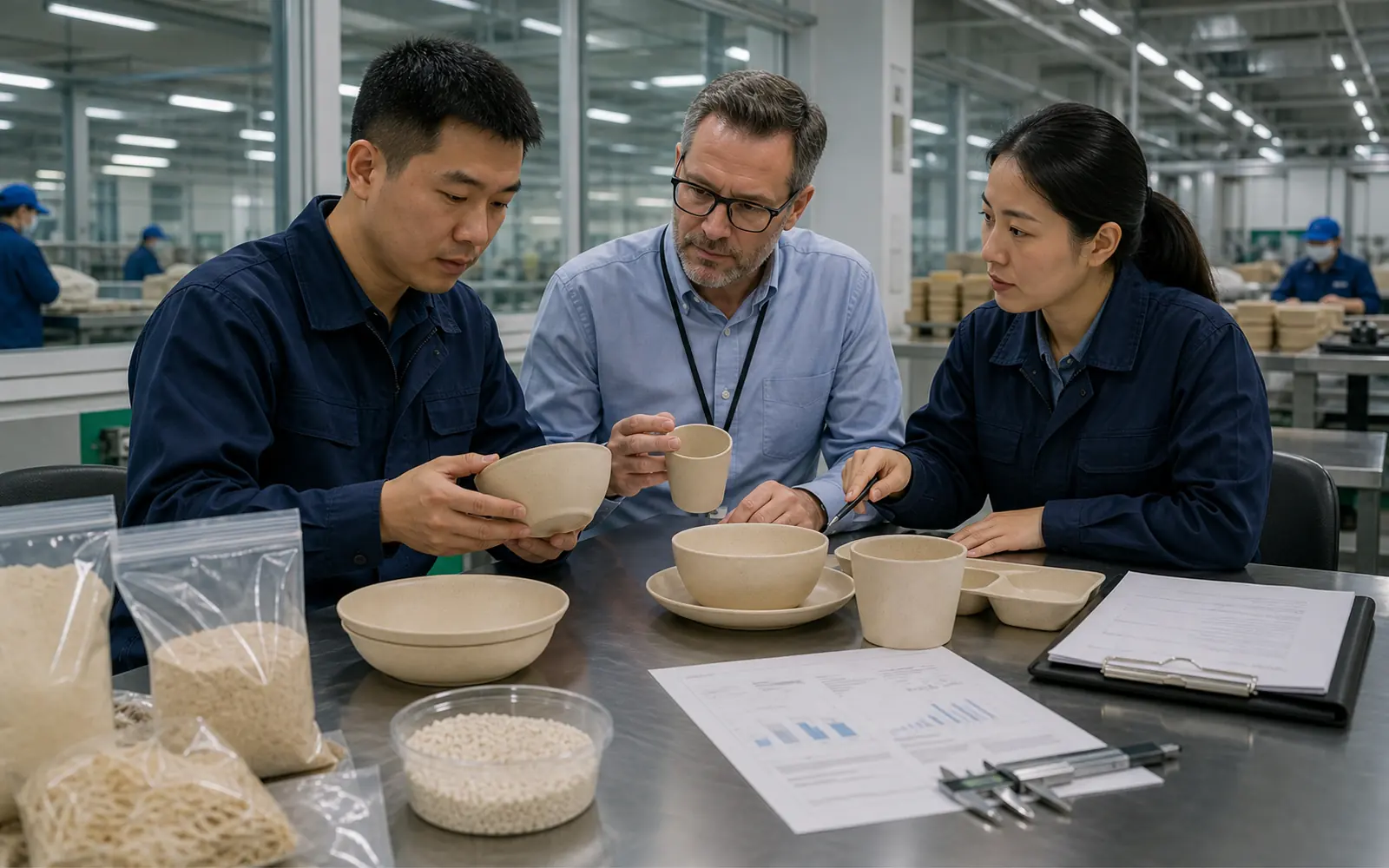
How to Verify Wheat Straw Fiber Content Claims
A factory-side evidence guide for buyers assessing wheat straw percentage claims, mass-balance records, laboratory methods and change control.
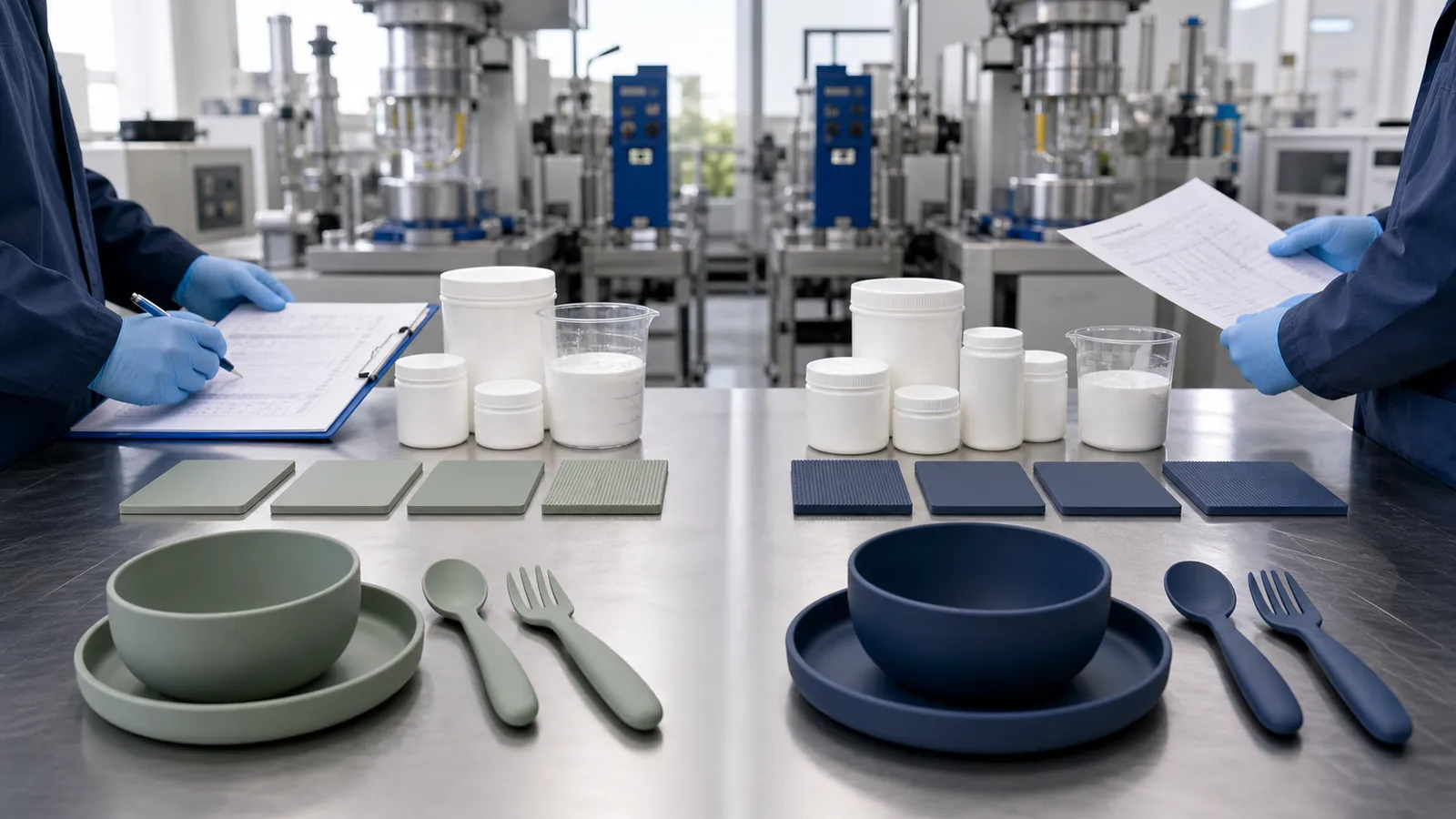
Platinum Cured vs Peroxide Cured Silicone: Buyer Comparison
A decision-focused comparison of platinum-addition and peroxide cure systems for custom silicone tableware, including process, evidence and sourcing tradeoffs.
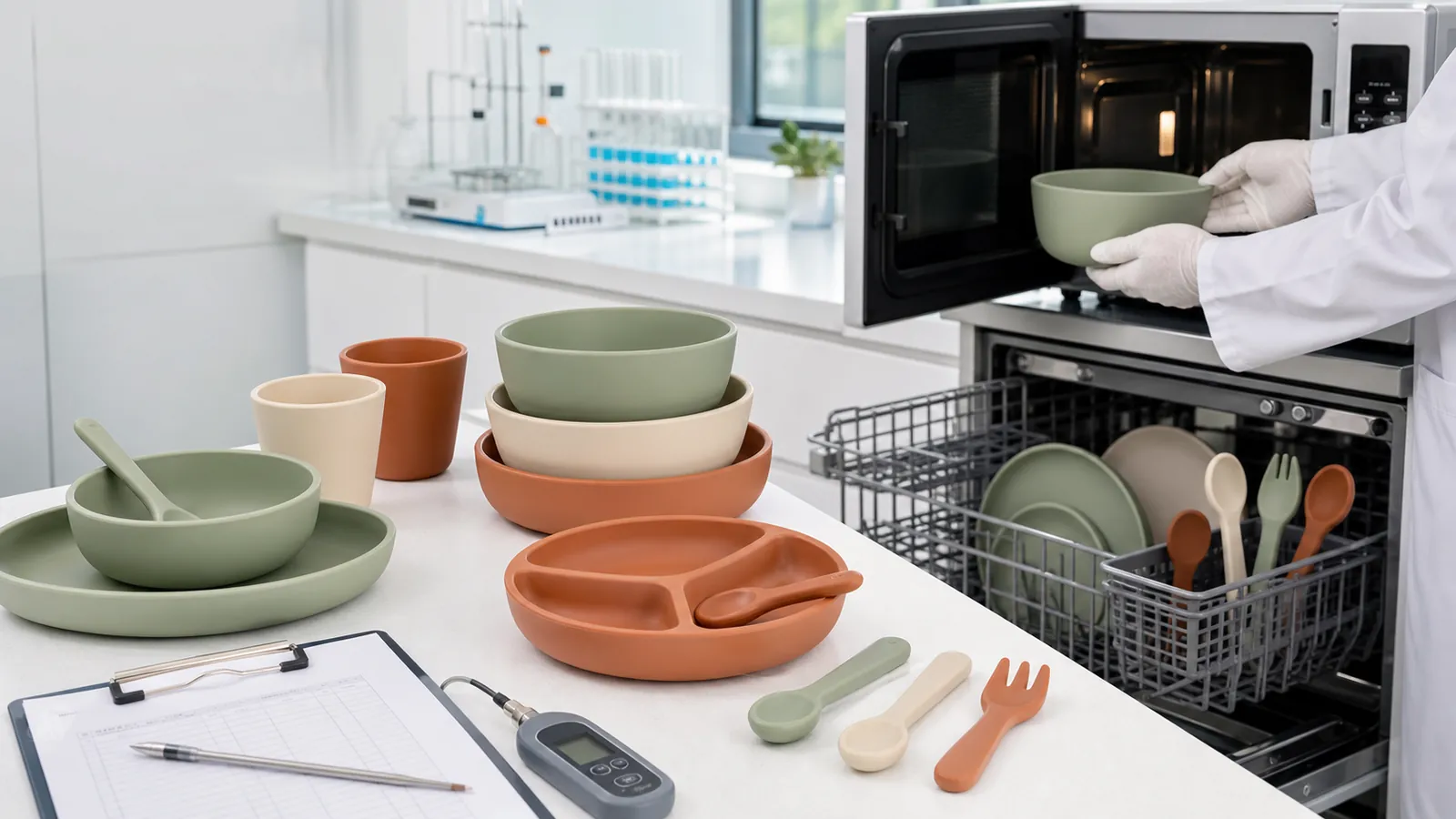
Is Silicone Tableware Microwave Safe and Dishwasher Safe?
A buyer-focused answer on when silicone tableware can be used in microwaves and dishwashers, what evidence matters, and how to validate a custom product.
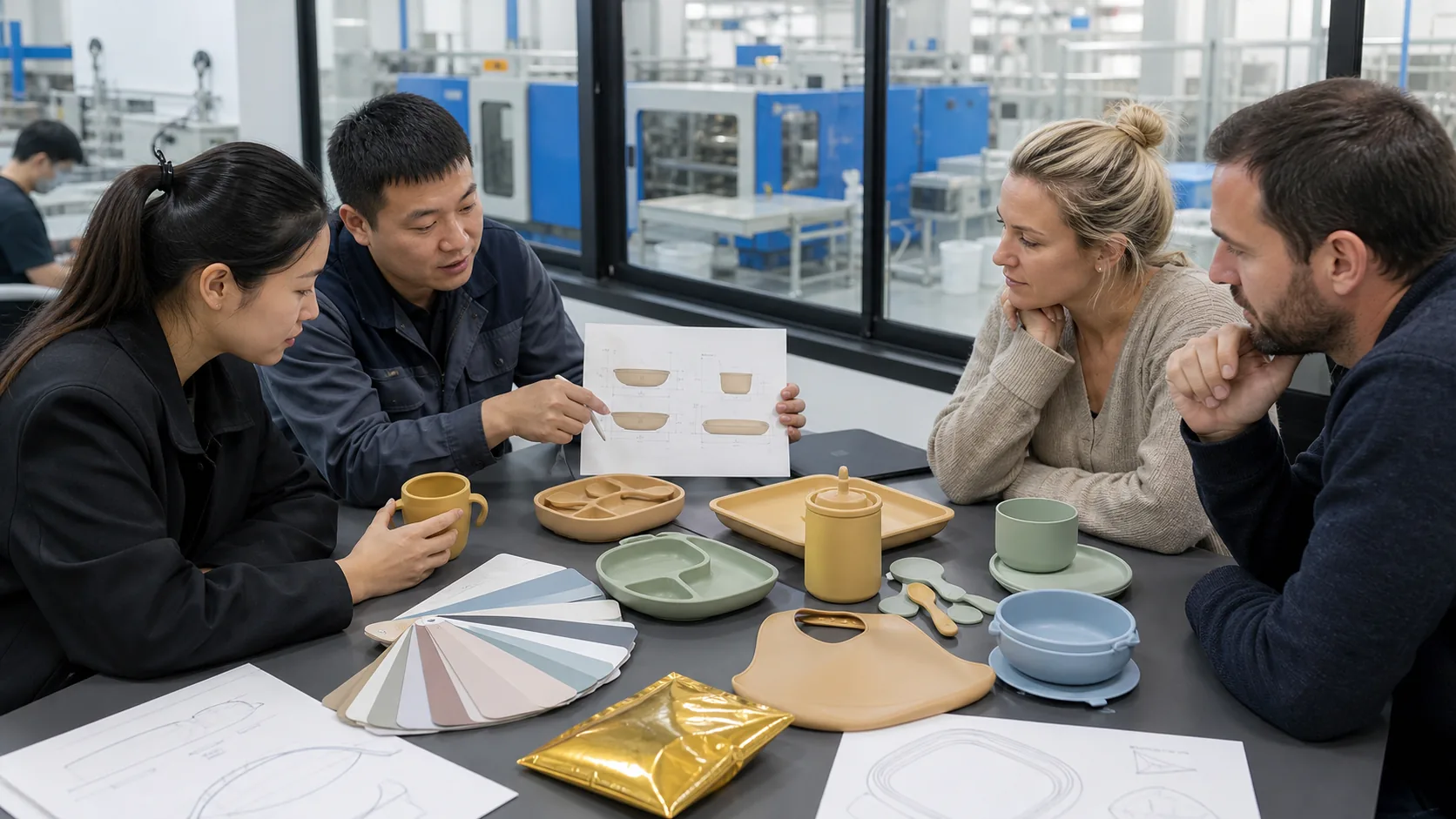
Custom Tableware Sample Approval: Golden Sample Guide
A stage-gate factory guide to drawings, prototypes, tooling trials, packaging samples, golden samples and production release for custom tableware.
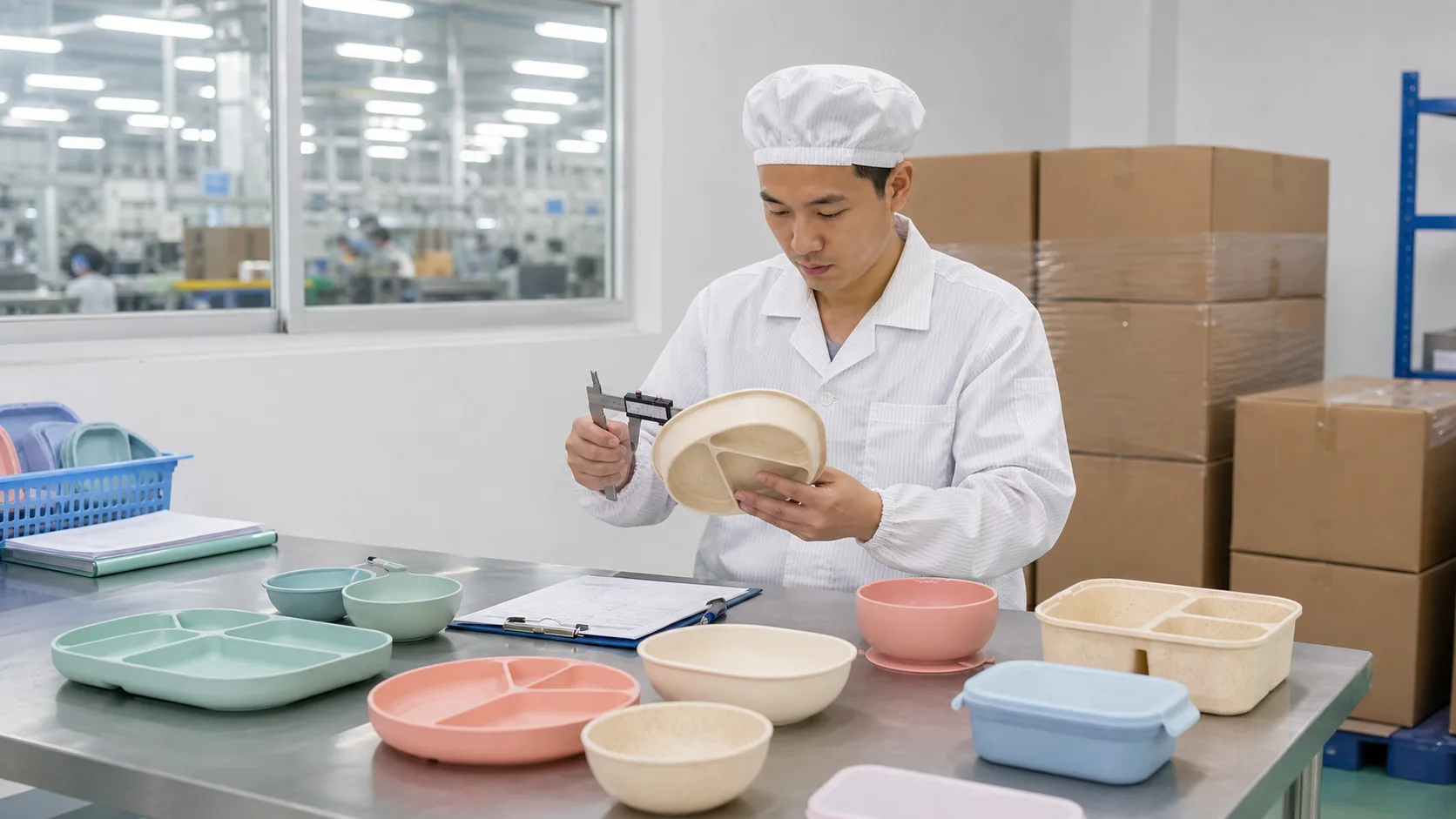
Tableware AQL Inspection: Buyer Guide
A factory-side guide to defect classification, sampling levels, acceptance limits and evidence for silicone and wheat-straw tableware shipments.
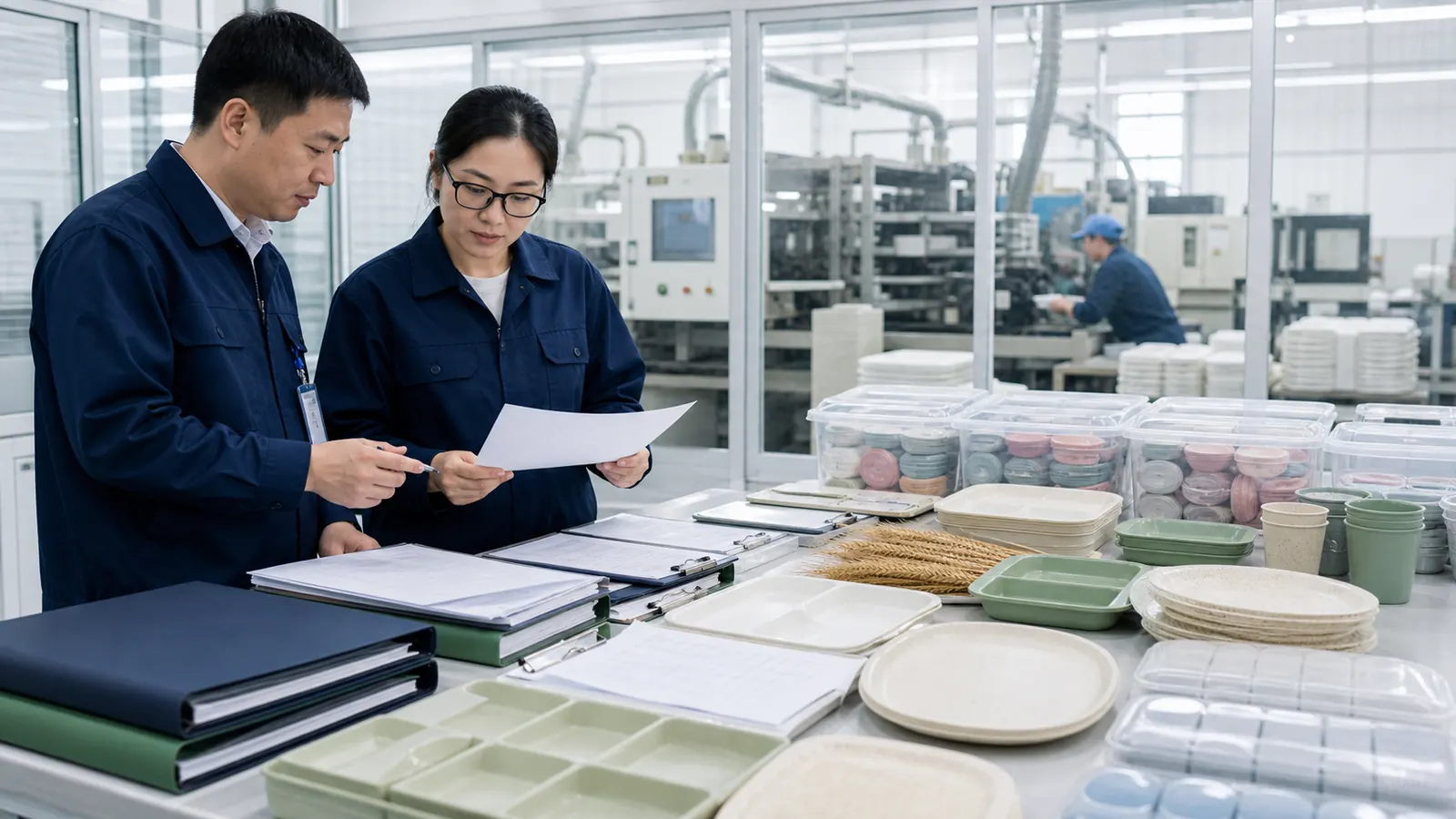
Food Contact Tableware Traceability: Buyer Guide
A factory-insider guide to material identity, declarations, test reports, batch records, change control and shipment traceability for B2B tableware buyers.
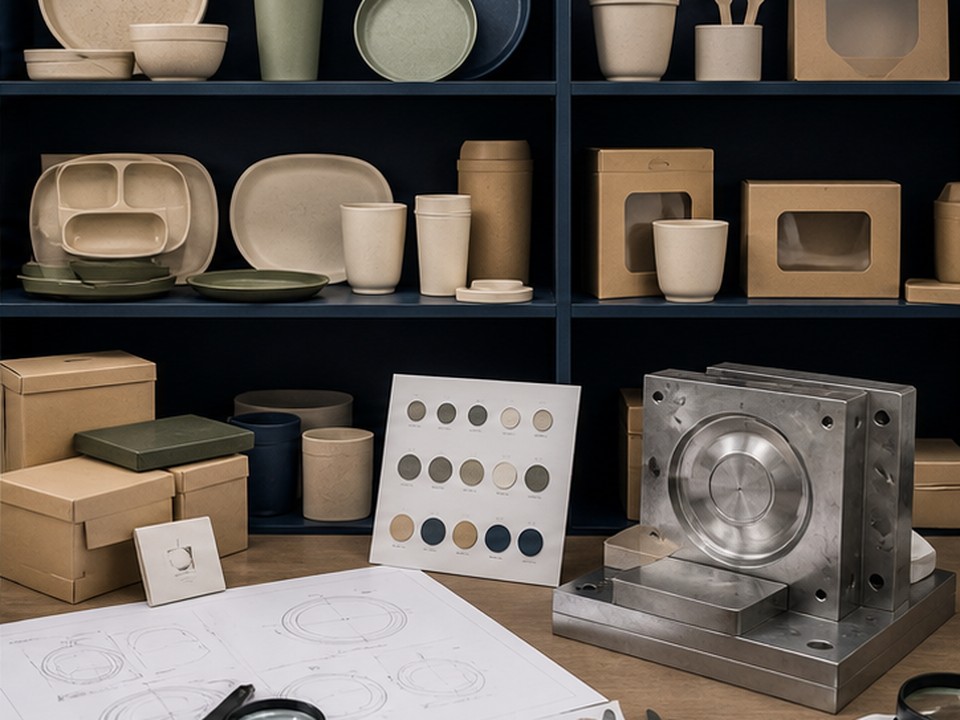
Browse Blog Categories
Materials & Products
OEM/ODM & Tooling
Factory & Quality
Packaging & Markets
A Practical Knowledge Base for Custom Tableware Buyers
The Naikegroup Blog is organized around real sourcing decisions rather than company announcements. Articles explain what information buyers should prepare, which trade-offs to compare and how material, tooling, packaging and quality choices affect quotation accuracy and production readiness.
Practical Support at the Decisions That Matter
Research the Product Platform
Start with intended use, target consumer, cleaning conditions, material direction and sales channel before selecting a product or asking for a custom variation.
Translate Research into an RFQ
Convert article takeaways into measurable requirements, reference images, packaging notes, target quantities and approval checkpoints that suppliers can review.
Use the Same Criteria to Compare
Send equivalent specifications to shortlisted suppliers and compare assumptions, sample route, tooling, quality controls and lead-time conditions alongside price.
Material and Product Articles
Material articles compare wheat-straw composites, bamboo-fiber blends, PP and silicone from a buyer perspective. Product articles then connect those properties with tableware, lunch boxes, kitchenware, baking molds and baby feeding applications. The goal is to help buyers identify the questions that need product-specific confirmation instead of relying on material names alone.
OEM, ODM and Mold Development Articles
Customization articles separate private-label changes from product-set development and new-mold projects. They explain color references, logo methods, packaging files, drawings, tooling approval and trial samples. This makes it easier to understand why two visually similar projects may have different minimum quantities, cost structures and timelines.
Quality, Packaging and Market Articles
Quality and market content helps buyers define inspection points, documentation requests, retail packaging, e-commerce protection, labeling and export preparation. These articles are especially useful when purchasing, product, packaging and quality teams need one shared brief before contacting the factory.
Use This Checklist with Every Article
- Record the decision the article helps you make
- List assumptions that require supplier confirmation
- Add measurable requirements to the product brief
- Save useful image or packaging references
- Identify target-market documentation questions
- Update the RFQ before requesting quotations
Questions to Clarify Before the Next Step
What materials do you offer for eco-friendly tableware manufacturing?
We manufacture with wheat straw fiber, bamboo fiber, and BPA-free PP (polypropylene). Wheat straw offers a natural matte finish and visible fiber texture. Bamboo fiber provides a warmer tone and higher heat resistance. PP is the most durable and cost-effective option, ideal for outdoor camping sets. All materials are food-contact safe and can be customized with your brand colors.
Can I customize the color, logo, and packaging for my order?
Yes. We support full OEM/ODM customization including Pantone color matching, logo application (silk-screen printing, embossing, debossing, or in-mold labeling), retail box or kraft box packaging with barcode labels, and custom carton marks for export. You can also request blister cards, gift sets, or display-ready packaging.
What is your minimum order quantity (MOQ) for custom products?
Typical MOQ is 500–1,000 units per design, depending on product complexity and mold requirements. For repeat orders or simpler items, we can sometimes accommodate smaller quantities. Contact us with your project details for a specific quotation.
How long does the custom mold development process take?
Custom mold development typically takes 15–25 working days from design confirmation to sample approval. This includes CAD drawing, mold machining, trial production, and sample testing. Once the mold is approved, mass production lead time is 25–35 days.
What quality certifications do your products hold?
Our products comply with major international food safety standards. We hold ISO 9001 for quality management, and our materials pass LFGB (German Food Safety), FDA (US Food Contact), and REACH (EU Chemical Safety) testing. BPA-free, phthalate-free, and food-grade compliance documentation is provided with every shipment.
How do you ensure quality control during production?
We operate a three-stage QC system: incoming material inspection (raw material certificates and lab tests), in-process inspection (color, weight, dimension checks every 2 hours during production), and pre-shipment inspection (AQL 2.5 sampling, carton marking, and loading supervision). Third-party SGS or BV inspection is available upon request.
Do you offer silicone baby feeding products with private label options?
Yes. We manufacture food-grade silicone baby feeding sets including suction plates, divided bowls, soft-tip spoons, bibs with crumb catchers, and sippy cups. All silicone products are LFGB and FDA certified, BPA-free, and available in custom colors with your brand logo and packaging. Heat resistant from -40°C to 230°C.
What shipping and export documentation do you provide?
We ship FOB Xiamen and can arrange CIF or DDP on request. Standard export documentation includes commercial invoice, packing list, bill of lading, certificate of origin (Form A/Form E when applicable), and material test reports. We also support client-specific documentation requirements for customs clearance in North America, Europe, and Southeast Asia.
How do I get started with a custom project or request samples?
Send us your product idea, reference images, target material, estimated quantity, and packaging needs via our inquiry form or email. We will provide a quotation within 24 hours. Sample production takes 5–10 days, and we can ship samples via DHL, FedEx, or your preferred courier for your.