
FROM PRODUCT IDEA TO PRODUCTION TOOLING
Custom Mold and Tooling Services for Tableware Development
Naikegroup provides custom mold and tooling services for B2B tableware projects using food-grade silicone, PP, wheat straw and related materials. From design review and drawing approval to mold trials, sample revisions and production release, our team helps buyers connect engineering decisions with controlled manufacturing requirements.
Factory Support Built Around Buyer Decisions
The project is organized around specifications, approvals and production controls rather than a generic product list.
Feasibility Review
Controlled Approvals
Production Transfer
When a Custom Mold Is the Right Development Route
New Product Geometry
Functional Structure Changes
Develop new compartments, closures, suction geometry, fit relationships, cavities, handles or reinforcement when the change affects the molded part.
Family Mold and Range Planning
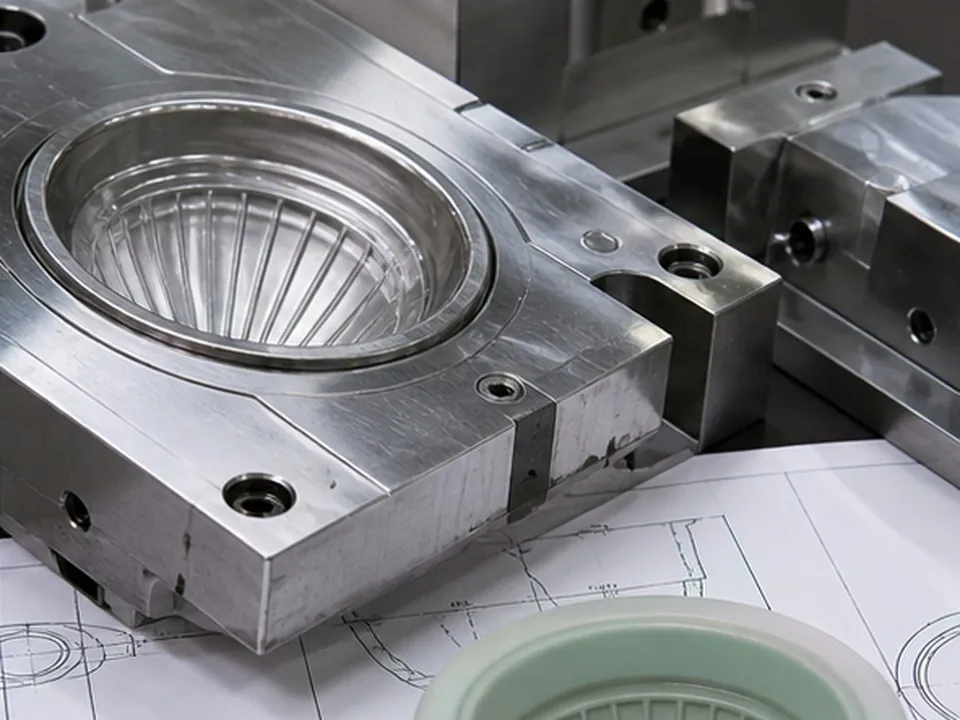
A Better Brief Reduces Tooling Revisions
- Reference, sketch, CAD or physical sample
- Critical dimensions and mating components
- Material, hardness and surface expectations
- Functional tests and acceptance priorities
A Five-Stage Tooling Control Path
Every option is reviewed against the selected custom mold and tooling services project, intended market and order assumptions.
01
1.Engineering Review
02
2.Drawing Approval
03
3.Tool Construction
04
4.Trial and Revision
05
5.Production Approval
From RFQ to Controlled Bulk Production
A consistent approval path keeps commercial, engineering, quality and packaging decisions connected.
01
Project Brief
Share product, market, quantity, function, logo, packaging and schedule requirements.
02
Specification
Confirm material, dimensions, performance, color, components and acceptance priorities.
03
Sample & Tooling
Review quotation, drawings, samples, tooling route and documented revisions.
04
Bulk Production
Release production against the approved sample and agreed quality checkpoints.
05
Inspection & Delivery
Complete final checks, packing verification, export preparation and shipment coordination.
Change Control Protects Cost, Timing and Function
- Approved drawing and revision identification
- Trial report with dimensions and functional findings
- Documented buyer comments and required changes
- Production sample and retained control reference
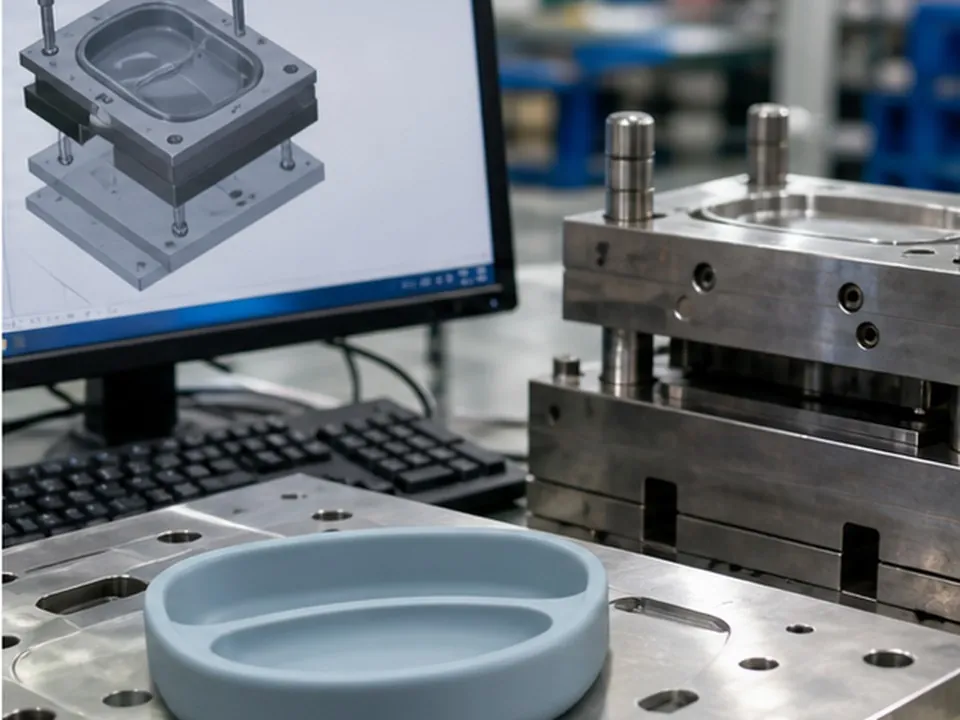
Prepare a More Accurate RFQ
- Available 2D, 3D, sketch or reference sample
- Product material and intended manufacturing process
- Critical dimensions, fit and capacity
- Use environment and functional requirements
- Target appearance, logo and surface finish
- Forecast volume, target cost and launch timing
Mold & Tooling Buyer FAQ
Clarify the commercial and technical assumptions that influence quotation, samples and production.
Please send your drawing or reference sample, material, dimensions, target quantity, intended market and required timeline. Include 2D/3D files and tolerance requirements if available.
We review the geometry, wall thickness, draft angles, undercuts, tolerances and material behavior. Any manufacturing risks or recommended changes are discussed before tooling begins.
The main factors are product size, design complexity, cavity quantity, mold material, surface finish and tolerance requirements. We confirm the quotation and schedule after reviewing the project files.
Yes. Trial samples are checked for dimensions, appearance, fit and function, and necessary revisions are documented before further work proceeds.
Samples are reviewed against the confirmed drawing, material, appearance and functional requirements. An approved production-intent sample becomes the reference for mass production.
Mold ownership and permitted use should be confirmed in the tooling agreement. Storage, maintenance, confidentiality and transfer conditions should also be stated clearly.
Mold life depends on its material, structure, production conditions, order volume and maintenance. Expected mold life and maintenance requirements are reviewed for each project.
After sample approval, the confirmed drawing, production parameters and quality checkpoints are transferred to the production team. Bulk production follows the approved sample and specifications.